

Hey there! As a supplier of multiband feed systems, I've seen firsthand how crucial it is to improve the gain of these systems. A higher gain means better performance, more efficient signal transmission, and ultimately, happier customers. In this blog post, I'll share some tips and tricks on how to boost the gain of your multiband feed system.
Understanding Multiband Feed Systems
Before we dive into the ways to improve gain, let's quickly go over what a multiband feed system is. A multiband feed system is designed to operate on multiple frequency bands simultaneously. This is super handy in various applications, like satellite communication, where different frequency bands are used for different purposes.
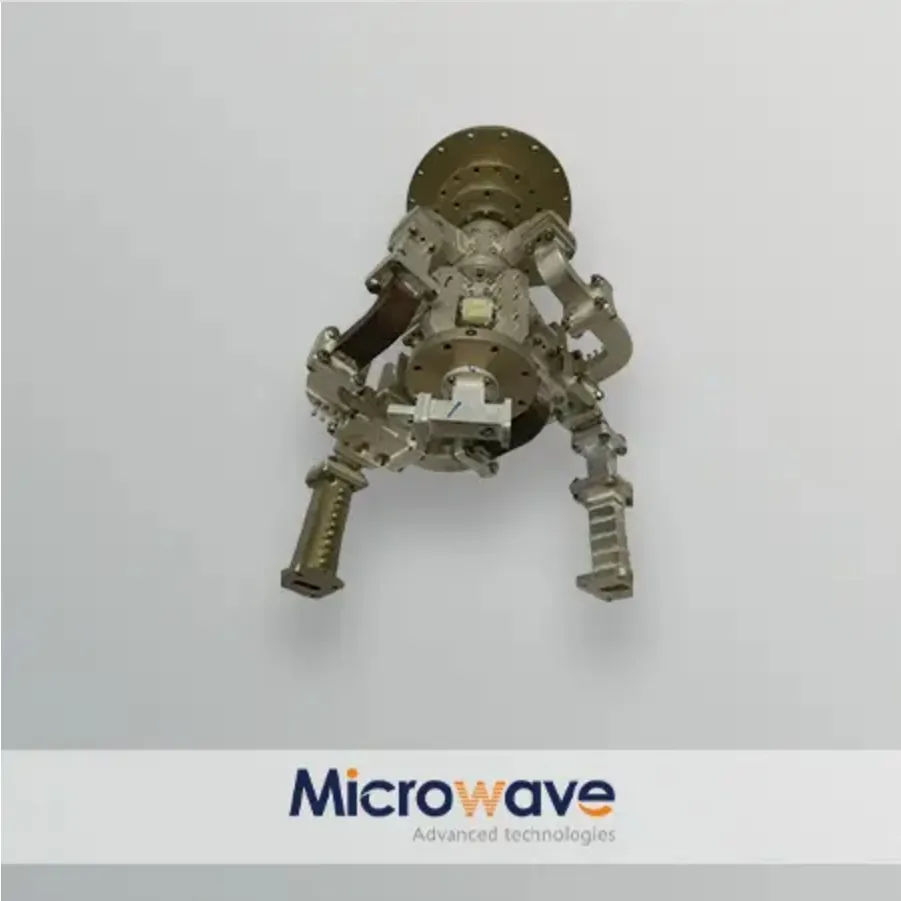
We offer a range of multiband feed systems, including the Ka&Ku Multiband Feed System, C/KU Multiband Feed System, and Tracking Feed System. Each of these systems has its own unique features and benefits, but they all share the common goal of providing reliable and efficient signal transmission.
Tips to Improve Gain
1. Optimize Antenna Design
The antenna is a key component of any multiband feed system, and its design can have a huge impact on gain. When it comes to improving gain, there are a few things to consider.
- Size and Shape: Generally, larger antennas tend to have higher gain. However, this isn't always practical, especially in applications where space is limited. In such cases, you can look into using antennas with more complex shapes, like parabolic or helical antennas, which can provide better gain in a smaller package.
- Material: The material used to construct the antenna can also affect its performance. High - quality materials with low losses, such as copper or aluminum, are often preferred. These materials allow for better conduction of the electromagnetic waves, resulting in higher gain.
2. Use High - Quality Components
The quality of the components in your multiband feed system matters a lot. Using cheap or low - quality components can lead to signal losses and reduced gain.
- Amplifiers: A good amplifier can significantly boost the signal strength and, therefore, the gain of your system. Look for amplifiers with high gain figures and low noise figures. This will ensure that the signal is amplified without adding too much noise.
- Filters: Filters are used to select the desired frequency bands and reject unwanted signals. High - quality filters with sharp cut - off characteristics can improve the overall performance of your system by reducing interference and increasing gain.
3. Proper Installation and Alignment
Even the best multiband feed system can perform poorly if it's not installed and aligned correctly.
- Installation Location: Choose a location for your system that is free from obstructions and interference. Avoid installing the system near large metal objects or other sources of electromagnetic interference, as these can cause signal losses.
- Alignment: Proper alignment of the antenna is crucial for maximizing gain. Make sure the antenna is pointed in the right direction and that it is properly oriented. You may need to use alignment tools, such as a signal strength meter or a compass, to ensure accurate alignment.
4. Implement Signal Processing Techniques
There are several signal processing techniques that can be used to improve the gain of your multiband feed system.
- Beamforming: Beamforming is a technique that allows you to focus the signal in a specific direction. By using an array of antennas and adjusting the phase and amplitude of the signals at each antenna, you can create a beam that is directed towards the desired target. This can significantly increase the gain in the direction of the target.
- Equalization: Equalization is used to compensate for the frequency - dependent losses in the signal. By adjusting the amplitude and phase of the signal at different frequencies, you can ensure that the signal has a flat frequency response, which can improve the overall gain of the system.
Testing and Monitoring
Once you've implemented these improvements, it's important to test and monitor the performance of your multiband feed system.

- Testing: Use a spectrum analyzer or a network analyzer to measure the gain and other performance parameters of your system. Compare the measured values with the expected values to see if the improvements have had the desired effect.
- Monitoring: Continuously monitor the performance of your system over time. This will allow you to detect any changes or issues early on and take corrective action if necessary.
Conclusion
Improving the gain of a multiband feed system is a multi - faceted process that involves optimizing the antenna design, using high - quality components, proper installation and alignment, implementing signal processing techniques, and testing and monitoring. By following these tips, you can significantly enhance the performance of your system and provide better service to your customers.
If you're interested in improving the gain of your multiband feed system or are looking to purchase a new system, we'd love to hear from you. Feel free to reach out to us to discuss your requirements and explore the options available. We're here to help you get the most out of your multiband feed system.
References
- Pozar, D. M. (2011). Microwave Engineering (4th ed.). Wiley.
- Balanis, C. A. (2016). Antenna Theory: Analysis and Design (4th ed.). Wiley.
- Stutzman, W. L., & Thiele, G. A. (2012). Antenna Theory and Design (3rd ed.). Wiley.