

As a supplier of DBS Band Feed Horns, I've received numerous inquiries about the temperature range within which these crucial components operate optimally. Understanding the temperature requirements is essential for ensuring the reliable performance of satellite communication systems that rely on DBS Band Feed Horns. In this blog, I'll delve into the science behind the temperature range for DBS Band Feed Horns and why it matters.
The Role of DBS Band Feed Horns
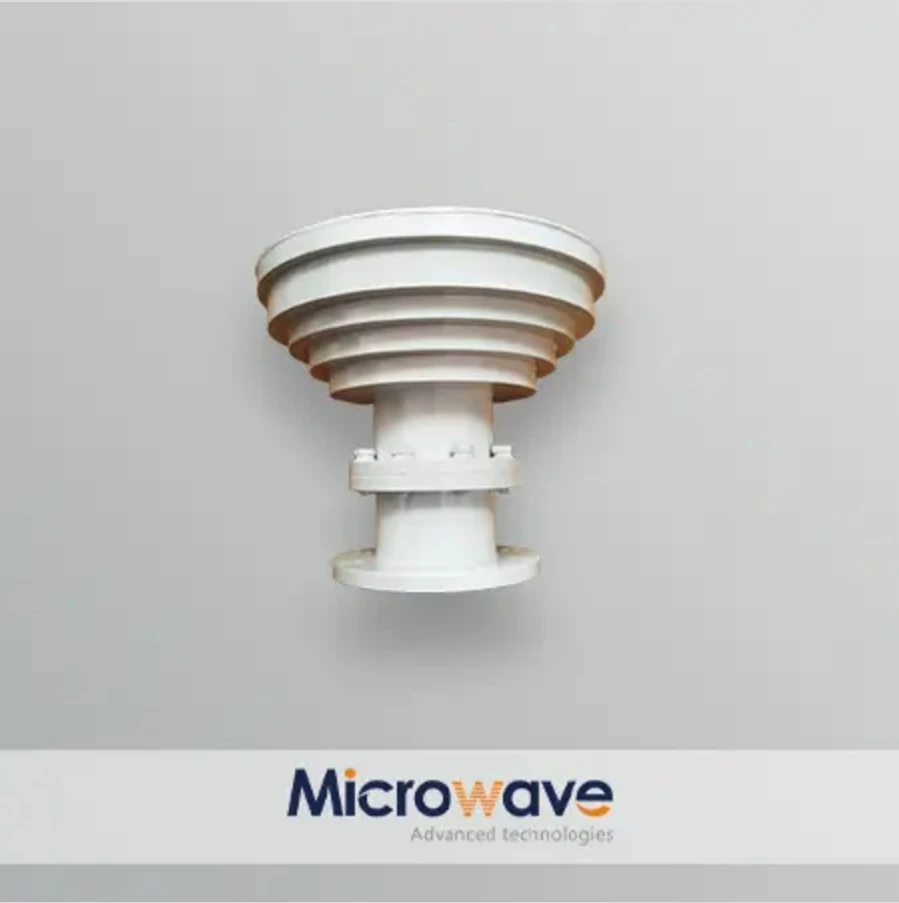
Before we discuss the temperature range, let's briefly understand what DBS Band Feed Horns are and their significance. DBS (Direct Broadcast Satellite) Band Feed Horns are key elements in the DBS Band Antenna Feed System. They are designed to receive and transmit electromagnetic signals in the DBS frequency bands, which typically range from 10.7 GHz to 12.75 GHz. These feed horns play a vital role in focusing and directing the signals between the satellite and the ground - based antenna, ensuring efficient communication.
Impact of Temperature on DBS Band Feed Horns
Temperature can have a profound impact on the performance of DBS Band Feed Horns. The electrical and mechanical properties of the materials used in the construction of feed horns are sensitive to temperature variations. Here are some of the key effects:
Electrical Performance
- Dielectric Constant: The dielectric constant of the materials inside the feed horn can change with temperature. This can affect the phase and amplitude of the electromagnetic waves passing through the feed horn, leading to signal distortion. For example, a higher dielectric constant may cause the phase velocity of the wave to decrease, resulting in a phase shift that can degrade the overall signal quality.
- Conductivity: The conductivity of the metallic parts of the feed horn also varies with temperature. As the temperature increases, the resistance of the metal increases, which can lead to power losses in the feed horn. This means that less power is available for signal transmission or reception, reducing the efficiency of the system.
Mechanical Performance
- Dimensional Changes: Most materials expand or contract with temperature changes. The feed horn's precise dimensions are critical for its proper functioning. Even small dimensional changes can alter the shape of the horn, affecting its radiation pattern. For instance, if the horn expands, the beamwidth of the radiated signal may change, leading to a loss of signal focus and potentially reduced coverage.
- Material Integrity: Extreme temperatures can also affect the integrity of the materials used in the feed horn. High temperatures may cause the adhesive used to bond different parts of the feed horn to weaken, leading to structural failures. On the other hand, low temperatures can make the materials more brittle, increasing the risk of cracking.
Typical Temperature Range for DBS Band Feed Horns
Based on industry standards and our experience as a DBS Band Feed Horns supplier, the typical temperature range for DBS Band Feed Horns to work properly is between - 40°C and +85°C.
Lower Temperature Limit (-40°C)
At low temperatures, the main concern is the brittleness of the materials. As the temperature drops, the polymers and adhesives used in the feed horn become more rigid. This can lead to cracking if the feed horn is subjected to mechanical stress, such as vibrations during transportation or installation. Additionally, the electrical properties of the materials may change in a way that affects the signal performance. For example, the capacitance of some components may decrease, leading to a change in the impedance of the feed horn.
Upper Temperature Limit (+85°C)
High temperatures pose different challenges. As mentioned earlier, the conductivity of the metallic parts decreases with increasing temperature, leading to power losses. The dielectric constant of the non - metallic materials may also increase, causing phase shifts and signal distortion. Moreover, high temperatures can accelerate the aging process of the materials, reducing their long - term reliability. The adhesive used in the feed horn may soften, leading to potential structural issues.
Environmental Considerations
The operating environment of DBS Band Feed Horns can vary widely. They may be installed in regions with extreme climates, such as deserts where temperatures can soar during the day or polar regions where it can get extremely cold. In addition to the ambient temperature, other environmental factors can also affect the temperature of the feed horn:
Solar Radiation
Direct sunlight can significantly increase the temperature of the feed horn. The surface of the feed horn can absorb solar radiation, converting it into heat. This can cause the internal temperature of the feed horn to rise above the ambient temperature, especially if the feed horn is not properly insulated or cooled.
Humidity
High humidity can also have an indirect impact on the temperature performance of the feed horn. Moisture can condense on the surface of the feed horn, which can affect its electrical properties. Additionally, in high - humidity environments, the presence of water vapor can act as a heat sink, potentially cooling the feed horn. However, if the water freezes at low temperatures, it can cause mechanical damage to the feed horn.
Ensuring Optimal Performance
To ensure that DBS Band Feed Horns operate within the desired temperature range, several measures can be taken:

Thermal Management
- Insulation: Using insulating materials can help reduce the impact of external temperature variations. Insulation can prevent heat transfer between the feed horn and the environment, keeping the internal temperature more stable.
- Cooling Systems: In high - temperature environments, active cooling systems such as fans or heat sinks can be used to dissipate heat from the feed horn. These systems can help maintain the temperature of the feed horn within the acceptable range.
Material Selection
- Temperature - Resistant Materials: Choosing materials with low temperature coefficients of electrical and mechanical properties can minimize the effects of temperature variations. For example, using ceramics with a low coefficient of thermal expansion can help maintain the dimensional stability of the feed horn.
Comparison with Other Feed Horns
It's interesting to compare the temperature requirements of DBS Band Feed Horns with other types of feed horns, such as Ka - Band Rx/Tx Feed Horn. The Ka - band operates at higher frequencies (typically around 26.5 - 40 GHz) compared to the DBS band. Due to the higher frequencies, the Ka - band feed horns are more sensitive to temperature variations. They often have a narrower temperature range for optimal performance, usually between - 20°C and +60°C. This is because the electrical and mechanical properties of the materials at higher frequencies are more susceptible to temperature - induced changes.
Conclusion
In conclusion, the temperature range for DBS Band Feed Horns to work properly is typically between - 40°C and +85°C. Understanding the impact of temperature on the electrical and mechanical performance of feed horns is crucial for ensuring the reliable operation of satellite communication systems. By taking appropriate measures such as thermal management and material selection, the performance of DBS Band Feed Horns can be optimized even in challenging environmental conditions.
If you're in the market for high - quality DBS Band Feed Horns or have any questions about their temperature performance, we're here to help. Our team of experts can provide you with detailed information and guidance to ensure that you choose the right feed horns for your specific needs. Contact us to start a discussion about your requirements and explore how our products can meet your expectations.
References
- IEEE Transactions on Antennas and Propagation, various issues related to antenna temperature effects.
- Satellite Communication Handbook, chapters on feed horn design and performance.