

As a supplier of C/KU Multiband Feed Systems, understanding the power handling capability of these systems is crucial. In this blog post, I will delve into the concept of power handling capability, its significance, and how it pertains to our C/KU Multiband Feed Systems.
Understanding Power Handling Capability
Power handling capability refers to the maximum amount of power that a device or system can safely handle without experiencing damage or significant performance degradation. In the context of a C/KU Multiband Feed System, it is the maximum power level that the feed system can receive or transmit across the C and KU frequency bands without causing harm to its components or affecting its overall functionality.
The power handling capability is determined by several factors, including the design of the feed system, the materials used in its construction, and the thermal management capabilities. A well-designed feed system will be able to dissipate heat effectively, which is essential for maintaining its performance under high-power conditions.
Importance of Power Handling Capability
The power handling capability of a C/KU Multiband Feed System is of utmost importance for several reasons. Firstly, it ensures the reliability and longevity of the system. By operating within the specified power limits, the risk of component failure and damage is minimized, reducing the need for costly repairs and replacements.
Secondly, power handling capability directly impacts the performance of the feed system. If the power level exceeds the system's capacity, it can lead to signal distortion, increased noise, and reduced efficiency. This can result in poor communication quality, lower data transfer rates, and overall suboptimal performance.
Finally, understanding the power handling capability is essential for compliance with regulatory requirements. In many countries, there are strict regulations governing the maximum power levels that can be used in satellite communication systems. By ensuring that our C/KU Multiband Feed Systems meet these requirements, we can help our customers avoid potential legal issues and ensure the smooth operation of their communication networks.
Factors Affecting Power Handling Capability
Several factors can affect the power handling capability of a C/KU Multiband Feed System. One of the most significant factors is the design of the feed system itself. A well-designed feed system will have a low-loss structure, which minimizes the amount of power that is dissipated as heat. Additionally, the use of high-quality materials and advanced manufacturing techniques can improve the system's power handling capabilities.
Another important factor is the thermal management of the feed system. As power is dissipated as heat, it is essential to have an effective cooling mechanism in place to prevent the system from overheating. This can include the use of heat sinks, fans, or liquid cooling systems. By maintaining a low operating temperature, the power handling capability of the feed system can be increased.
The frequency band also plays a role in determining the power handling capability. Different frequency bands have different characteristics, and the power handling requirements can vary accordingly. For example, the KU band typically requires a higher power handling capability than the C band due to its higher frequency and shorter wavelength.
Our C/KU Multiband Feed Systems
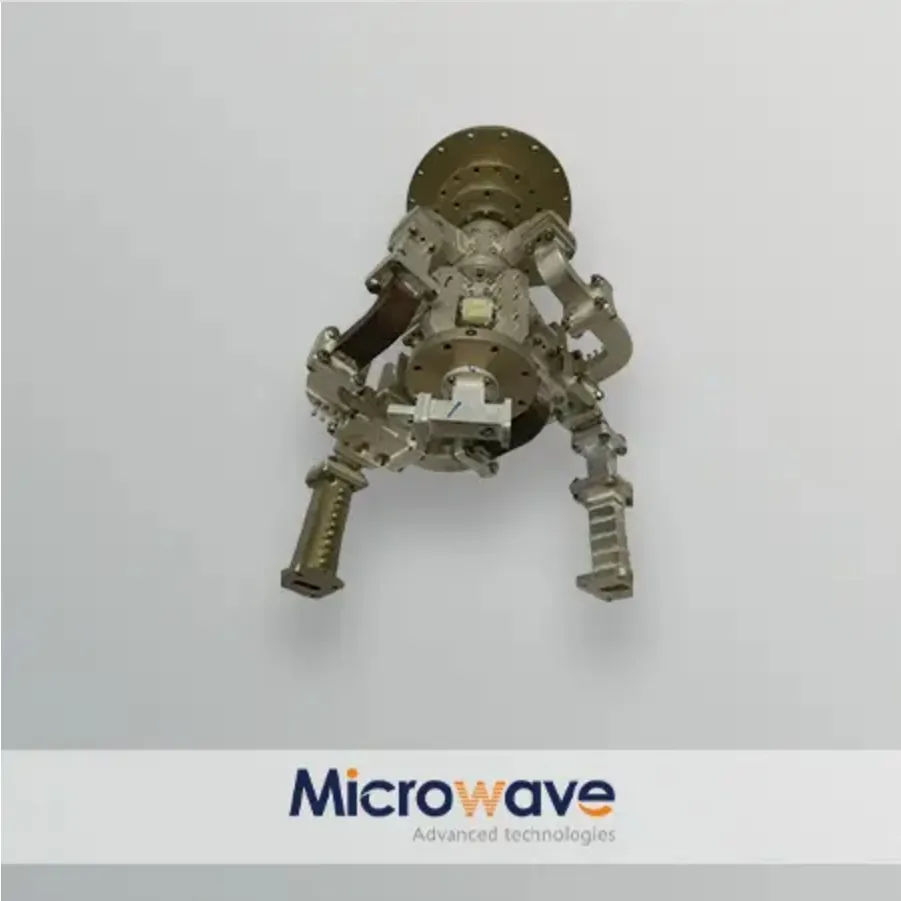
At our company, we take pride in offering high-quality C/KU Multiband Feed Systems with excellent power handling capabilities. Our feed systems are designed using the latest technologies and materials to ensure optimal performance and reliability.
One of the key features of our C/KU Multiband Feed Systems is their low-loss design. By minimizing the amount of power that is dissipated as heat, our feed systems can handle higher power levels without experiencing significant performance degradation. Additionally, we use advanced thermal management techniques to ensure that the systems remain cool even under high-power conditions.
Our C/KU Multiband Feed Systems are also highly customizable, allowing us to meet the specific requirements of our customers. Whether you need a system with a high power handling capability for a large-scale satellite communication network or a more compact system for a small-scale application, we can provide a solution that meets your needs.
Related Products
In addition to our C/KU Multiband Feed Systems, we also offer a range of related products, including Tracking Feed System, Ka&Ku Multiband Feed System, and Receive Only Feed Network. These products are designed to work seamlessly with our C/KU Multiband Feed Systems, providing a comprehensive solution for satellite communication applications.
Contact Us for Purchase and Consultation
If you are interested in learning more about our C/KU Multiband Feed Systems or any of our other products, we encourage you to contact us. Our team of experts is available to answer any questions you may have and to provide you with a customized solution that meets your specific requirements.

Whether you are a large-scale satellite operator, a government agency, or a small business, we have the expertise and experience to help you achieve your communication goals. So, don't hesitate to reach out to us today and take the first step towards enhancing your satellite communication capabilities.
References
- "Satellite Communication Systems: Design Principles" by Timothy Pratt and Charles Bostian
- "Microwave Engineering" by David M. Pozar
- "RF and Microwave Wireless Systems" by Christopher R. Birtcher