

Hey there! As a supplier of multiband feed systems, I've seen firsthand the importance of tackling electromagnetic compatibility (EMC) issues. In this blog, I'm gonna break down what these EMC issues are in a multiband feed system and why they matter to you.
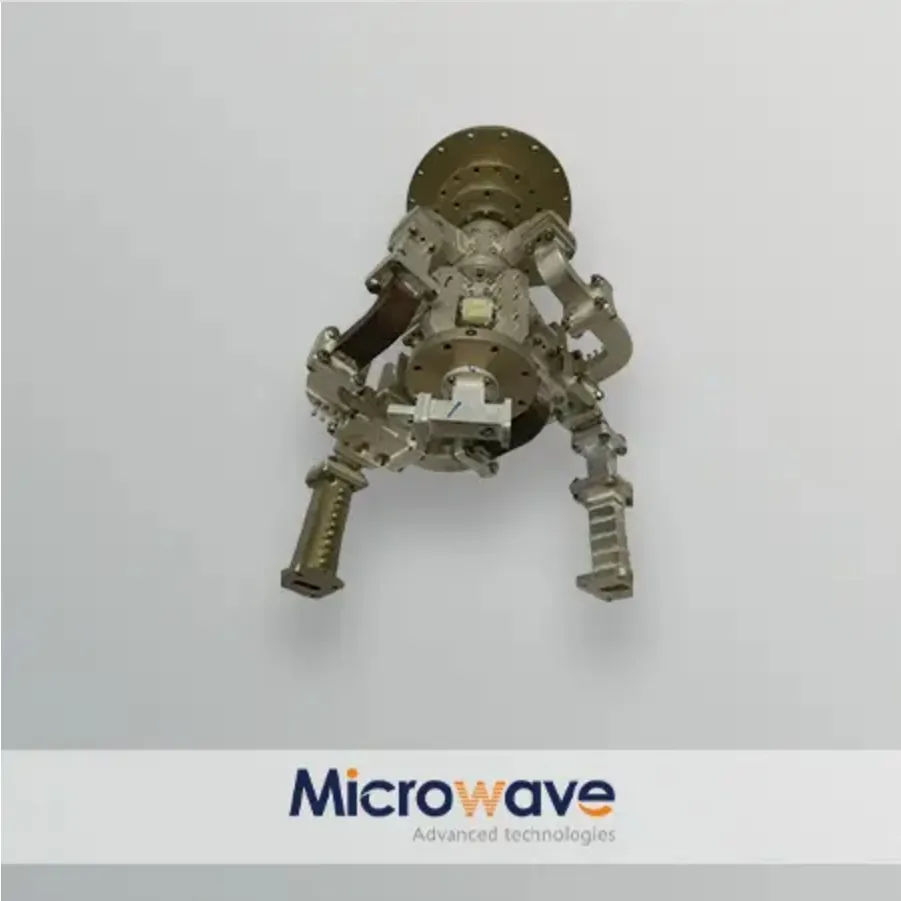
First off, let's understand what a multiband feed system is. It's a system that can operate across multiple frequency bands, allowing for more versatile and efficient communication. For example, our Receive Only Feed Network is designed to receive signals from different bands, which is super useful for applications like satellite communication. And then we have the C/KU Multiband Feed System and Ka&Ku Multiband Feed System, which are capable of handling a wide range of frequencies, making them great for various communication needs.
Now, onto the main topic - electromagnetic compatibility issues. EMC refers to the ability of electronic devices and systems to function properly in their electromagnetic environment without causing or suffering from interference. In a multiband feed system, there are several EMC issues that we need to be aware of.
One of the most common issues is interference between different frequency bands. Since a multiband feed system operates across multiple bands, there's a risk that signals from one band can interfere with signals from another. This can lead to a degradation in the quality of the received or transmitted signals. For instance, if the C-band and KU-band signals in a C/KU Multiband Feed System interfere with each other, it can result in poor signal reception or even signal loss.
Another EMC issue is the coupling of electromagnetic fields. When different components in a multiband feed system are close to each other, the electromagnetic fields generated by one component can couple with those of another. This can cause unwanted noise and interference in the system. For example, if the antennas in a multiband feed system are too close together, the electromagnetic fields they generate can interact, leading to interference.
Grounding and shielding are also crucial aspects of EMC in a multiband feed system. Proper grounding helps to prevent the build-up of static electricity and provides a path for electrical currents to flow safely. Without proper grounding, the system can be more susceptible to electromagnetic interference. Shielding, on the other hand, helps to protect the system from external electromagnetic fields. For example, using shielded cables in a multiband feed system can reduce the risk of interference from external sources.
So, how do we address these EMC issues? Well, at our company, we use a combination of design techniques and testing procedures. During the design phase, we carefully select the components and layout of the multiband feed system to minimize the risk of interference. We also use advanced simulation tools to predict and analyze the electromagnetic behavior of the system.
Once the design is complete, we conduct extensive testing to ensure that the system meets the required EMC standards. This includes testing for radiated and conducted emissions, as well as immunity to external electromagnetic fields. By doing so, we can identify and fix any EMC issues before the product is released to the market.
In addition to these technical measures, we also provide our customers with detailed installation and operation instructions. This helps to ensure that the multiband feed system is installed and used correctly, which can further reduce the risk of EMC issues.
Now, you might be wondering why all these EMC issues matter to you. Well, if you're using a multiband feed system for your communication needs, you want to ensure that it works reliably and efficiently. EMC issues can not only affect the performance of the system but also lead to increased maintenance costs and downtime. By choosing a multiband feed system that has been designed and tested to meet high EMC standards, you can avoid these problems and enjoy a more reliable communication experience.
If you're in the market for a multiband feed system, we'd love to hear from you. Our team of experts can help you choose the right system for your specific needs and provide you with all the support you need. Whether you're looking for a Receive Only Feed Network, a C/KU Multiband Feed System, or a Ka&Ku Multiband Feed System, we've got you covered. So, don't hesitate to reach out to us for a quote or to discuss your requirements.

In conclusion, electromagnetic compatibility issues are an important consideration when it comes to multiband feed systems. By understanding these issues and taking the necessary steps to address them, we can ensure that our multiband feed systems provide reliable and efficient communication. If you have any questions or need more information, feel free to contact us. We're here to help you make the most of your multiband feed system.
References:
- Electromagnetic Compatibility Engineering by Henry W. Ott
- Introduction to Electromagnetic Compatibility by Clayton R. Paul