

Hey there! As a supplier of C/KU Multiband Feed Systems, I've had the pleasure of witnessing firsthand the incredible benefits these systems bring to the table compared to single - band systems. In this blog, I'll break down the advantages that make our C/KU Multiband Feed Systems a game - changer in the industry.
1. Versatility and Flexibility
One of the most significant perks of the C/KU Multiband Feed System is its versatility. Unlike single - band systems that are limited to operating within a single frequency range, our C/KU Multiband Feed System can handle both C - band and KU - band frequencies. This means that users can access a wider range of satellite signals with just one system.
Let's say you're in the business of satellite communication. With a single - band system, you're restricted to either C - band or KU - band services. But if you switch to our C/KU Multiband Feed System, you can enjoy the best of both worlds. You can receive signals from different satellites operating in different frequency bands, which is super handy for applications like broadcasting, data transmission, and even military communication.
For instance, C - band signals are known for their excellent penetration through rain and other atmospheric conditions. On the other hand, KU - band signals offer higher data rates and are more suitable for direct - to - home satellite TV services. By having a system that can handle both, you can adapt to different environmental conditions and service requirements on the fly.
Check out our Ka&Ku Multiband Feed System for even more frequency options and enhanced versatility.
2. Cost - Efficiency
When it comes to cost, the C/KU Multiband Feed System has a clear edge over single - band systems. Buying and installing separate single - band systems for C - band and KU - band frequencies can be a real wallet - buster. You've got to pay for the equipment, installation, and ongoing maintenance for each system.
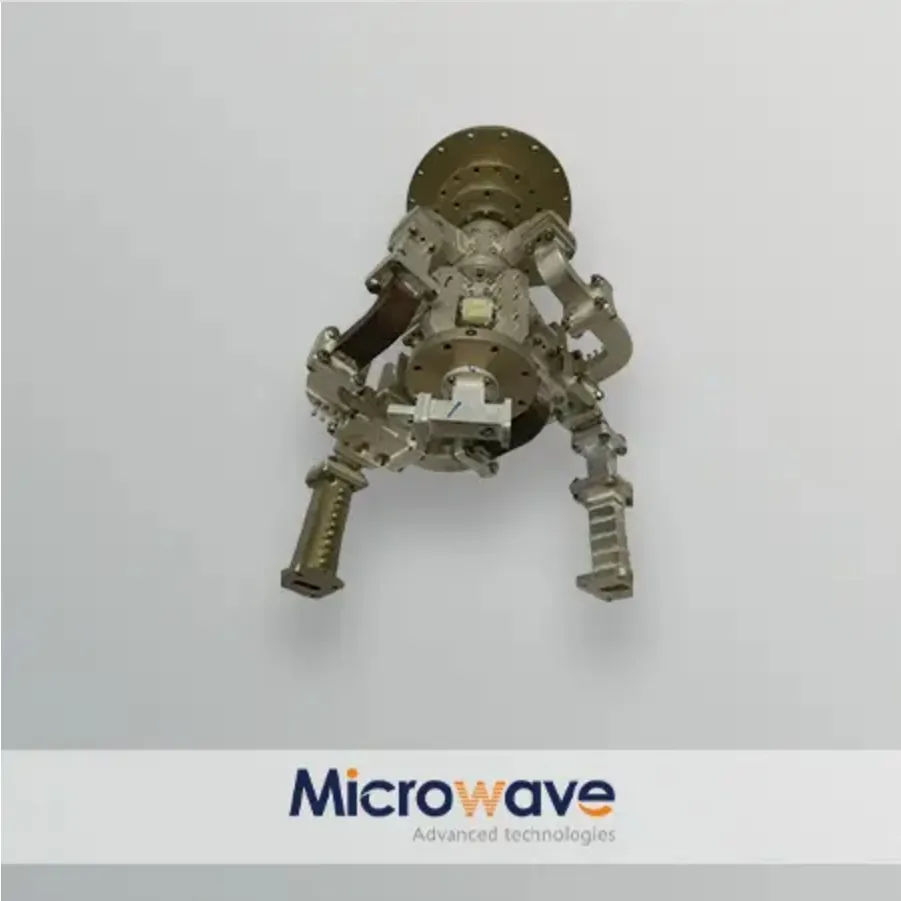

In contrast, our C/KU Multiband Feed System combines the functionality of both C - band and KU - band systems into one unit. This means you only have to pay for a single piece of equipment, which significantly reduces your upfront costs. Additionally, the installation process is simpler and quicker since you're dealing with one system instead of two. This not only saves you money on installation fees but also minimizes downtime.
Moreover, maintenance costs are also lower. You don't have to worry about servicing two different systems separately. With our C/KU Multiband Feed System, a single team can handle all the maintenance tasks, which further cuts down on your long - term expenses.
If you're looking for a cost - effective solution for your satellite reception needs, our C/KU Multiband Receive Only Feed System is a great option.
3. Space - Saving
In today's world, space is at a premium. Whether you're setting up a satellite dish in a residential area or a large - scale satellite communication center, having a compact system is a big plus. Single - band systems require separate dishes and equipment for each frequency band, which can take up a lot of space.
Our C/KU Multiband Feed System, however, is designed to be space - efficient. Since it combines the functionality of both C - band and KU - band systems, you only need one dish and one set of equipment. This is especially beneficial for users with limited space, such as apartment dwellers or small - scale businesses.
For example, if you're running a small media company and want to receive satellite signals for content production, you can install our C/KU Multiband Feed System on a relatively small rooftop. This way, you can save valuable space that can be used for other purposes.
4. Improved Signal Quality
Another advantage of the C/KU Multiband Feed System is its ability to provide better signal quality. Our system is engineered with advanced technology to optimize the reception of both C - band and KU - band signals. It uses high - quality components and sophisticated algorithms to reduce signal interference and enhance signal strength.
In single - band systems, signal quality can be affected by various factors such as weather conditions, nearby electronic devices, and even the position of the satellite. But with our C/KU Multiband Feed System, you have more options to ensure a stable and clear signal. If the KU - band signal is affected by heavy rain, for example, you can switch to the C - band signal, which is more resilient to such weather conditions.
Our Receive Only Feed Network is designed to further enhance signal quality by providing a dedicated network for receiving satellite signals.
5. Future - Proofing
The satellite communication industry is constantly evolving, and new technologies and frequency bands are being introduced all the time. By investing in a C/KU Multiband Feed System, you're future - proofing your satellite communication setup.
Our system is designed to be easily upgradable, which means you can adapt to new frequency bands and technologies as they become available. This is a huge advantage compared to single - band systems, which may become obsolete as the industry moves forward.
For example, if a new satellite service is launched in a different frequency band, you won't have to replace your entire system. Instead, you can simply upgrade your C/KU Multiband Feed System to support the new frequency. This not only saves you money but also ensures that you can always stay ahead of the curve in the satellite communication game.
Conclusion
In conclusion, the C/KU Multiband Feed System offers a wide range of advantages over single - band systems. From its versatility and cost - efficiency to its space - saving design, improved signal quality, and future - proofing capabilities, our system is the ideal choice for anyone looking to enhance their satellite communication experience.
If you're interested in learning more about our C/KU Multiband Feed System or are considering a purchase, don't hesitate to reach out. We're here to answer all your questions and help you find the perfect solution for your needs. Let's start a conversation and take your satellite communication to the next level!
References
- Satellite Communication Handbook by Timothy Pratt and Charles W. Bostian
- Introduction to Satellite Communication Systems by Dennis Roddy and John Coolen
- Industry reports on satellite communication trends and technologies.