

Yo! As a supplier of antenna diplexers, I'm super stoked to break down how these nifty gadgets work. So, what's an antenna diplexer anyway? Well, it's a device that lets you use a single antenna for two different frequency bands. Think of it as a traffic cop for radio signals, directing them to the right place without causing a mess.
Let's start with the basics. In the world of radio communication, we've got different frequency bands for various purposes. For example, some bands are used for TV broadcasts, others for mobile phones, and some for satellite communication. Now, having a separate antenna for each band can be a real hassle. It takes up space, costs more, and can be a pain to install and maintain. That's where the antenna diplexer comes in.
The Core Principle
At its heart, an antenna diplexer works on the principle of frequency separation. It's designed to split or combine signals based on their frequencies. There are two main types of operations: combining and separating.
When you're sending signals out, the diplexer takes signals from two different sources, each operating at a different frequency, and combines them into a single output that can be sent through one antenna. On the receiving end, it does the opposite. It takes the combined signal from the antenna and separates it into two different outputs based on the frequency of the signals.
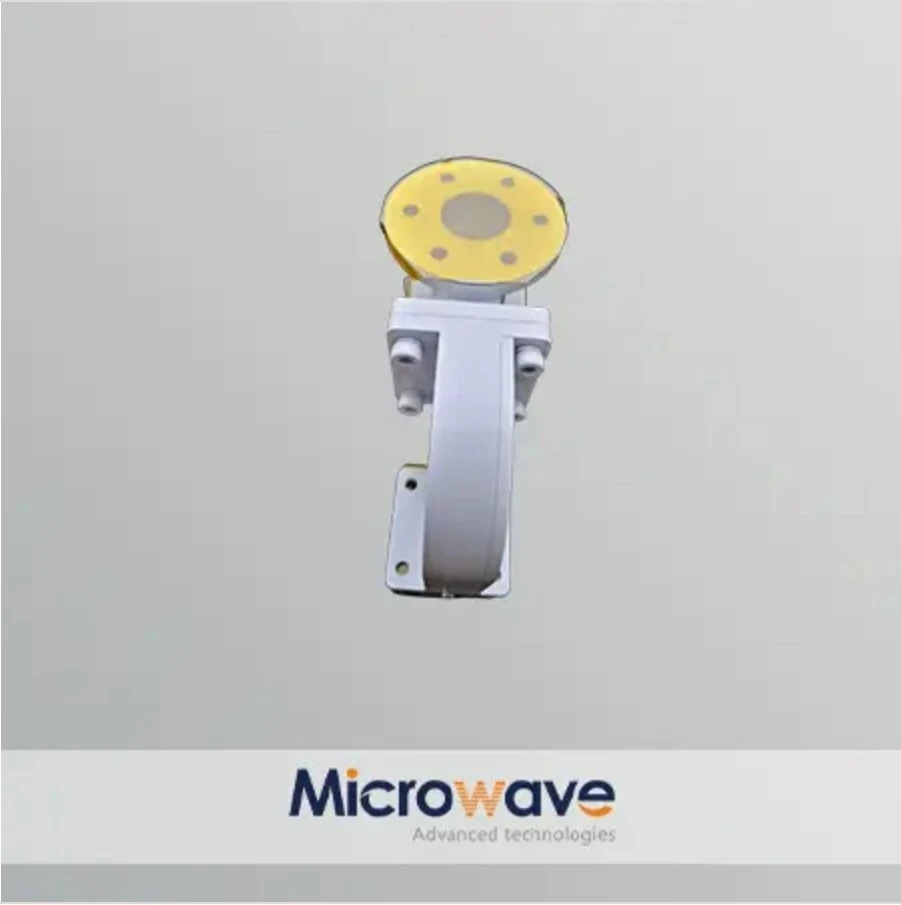

How It's Built
Antenna diplexers are made up of filters. These filters are like bouncers at a club. They only let in signals that are within a certain frequency range and keep out the rest. There are two main types of filters used in diplexers: low - pass filters and high - pass filters.
A low - pass filter allows signals with frequencies below a certain cutoff frequency to pass through, while blocking higher frequencies. On the other hand, a high - pass filter does the opposite. It allows signals with frequencies above a certain cutoff frequency to pass and blocks lower frequencies.
Let's say you've got a diplexer that's designed to work with a low - frequency band (like the C - band) and a high - frequency band (like the Ku - band). The low - pass filter in the diplexer will be set up to pass the C - band signals and block the Ku - band signals. The high - pass filter will pass the Ku - band signals and block the C - band signals.
Real - World Applications
Antenna diplexers are used in a whole bunch of places. One of the most common applications is in satellite communication. Satellites use different frequency bands to transmit and receive data. For example, a satellite TV provider might use one frequency band to send high - definition video signals and another to send interactive data. With an antenna diplexer, they can use a single satellite dish to handle both types of signals.
Another application is in wireless communication systems. Mobile network operators often use diplexers to combine different types of signals, like voice and data, and send them through a single antenna. This helps in reducing the number of antennas needed on cell towers, which saves space and money.
Our Product Range
As a supplier, we've got a great range of antenna diplexers to meet different needs. For instance, we have the Ku Band 2 Port Diplexer with Special Frequency. This diplexer is designed specifically for the Ku - band and offers some special frequency features that make it ideal for certain applications.
We also have the INSAT C Band 4 Port Diplexer. This one is built for the INSAT C - band and has four ports, which gives you more flexibility in handling multiple signals.
And then there's the Ku Band 2 Port Diplexer. It's a standard yet reliable option for Ku - band applications.
Advantages of Using Our Diplexers
Our diplexers are built with high - quality materials and advanced technology. This means they offer excellent performance in terms of signal separation and combination. They have low insertion loss, which means that the signals don't lose much strength as they pass through the diplexer.
We also pay a lot of attention to the design of our diplexers. They are compact and easy to install, which is a big plus, especially when space is limited. And of course, we offer great customer support. If you have any questions about our products or need help with installation, our team is always ready to assist.
Technical Considerations
When choosing an antenna diplexer, there are a few technical things you need to keep in mind. First is the frequency range. Make sure the diplexer is designed to work with the frequency bands you're using. If you're working with a specific satellite system, check the frequency specifications of that system and match them with the diplexer.
Another important factor is the power handling capacity. You need to know how much power the diplexer can handle without getting damaged. If you're sending out high - power signals, you'll need a diplexer with a high power handling capacity.
Insertion loss is also crucial. As I mentioned earlier, low insertion loss means that the signals will maintain their strength as they pass through the diplexer. Look for diplexers with low insertion loss values.
Installation and Maintenance
Installing an antenna diplexer isn't too complicated, but there are a few steps you need to follow. First, make sure you have all the necessary tools. You'll need a coaxial cable cutter, a connector crimping tool, and some basic hand tools.
Start by connecting the input and output ports of the diplexer to the appropriate devices. Make sure the connections are tight and secure. Then, connect the antenna to the diplexer. It's important to follow the manufacturer's instructions carefully to ensure proper installation.
Maintenance is pretty straightforward. You just need to keep the diplexer clean and free from dust and debris. Check the connections regularly to make sure they're still tight. If you notice any signs of damage or poor performance, it's a good idea to have the diplexer checked by a professional.
Conclusion
So, there you have it. That's how an antenna diplexer works. It's a simple yet powerful device that can make your radio communication systems more efficient and cost - effective. Whether you're in the satellite communication business, wireless networking, or any other field that uses radio frequencies, an antenna diplexer can be a game - changer.
If you're interested in our antenna diplexers or have any questions about them, don't hesitate to reach out. We're always here to help you find the right product for your needs and guide you through the purchasing process.
References
- Electronics Tutorials: Antenna Diplexers
- Satellite Communication Handbook
- Wireless Communication Engineering Guides