

In the dynamic landscape of modern technology, quality control management stands as a cornerstone for ensuring the reliability and performance of products. As an OMT (Orthomode Transducer) supplier, I am frequently confronted with the question: Can OMTs be used for quality control management? In this blog, I will delve into this inquiry, exploring the capabilities of OMTs in the realm of quality control and shedding light on their potential applications.
Understanding OMTs
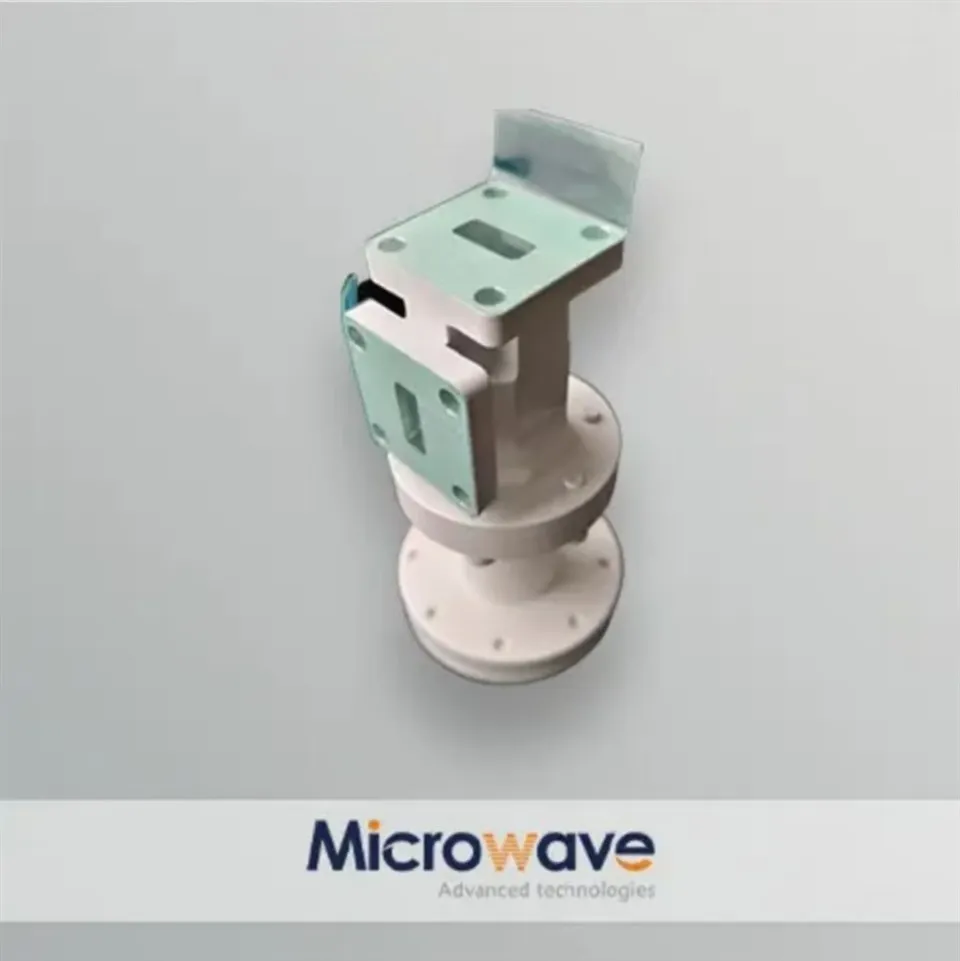
Before delving into their role in quality control management, it is essential to grasp the fundamentals of OMTs. OMTs are passive microwave devices designed to separate or combine two orthogonal polarizations of electromagnetic waves. They play a crucial role in satellite communication, radar systems, and other microwave applications by enabling efficient transmission and reception of signals.
OMTs come in various types and frequency bands, each tailored to specific requirements. For instance, the Ku Band OMT is optimized for use in the Ku frequency band, typically ranging from 12 to 18 GHz. It offers high isolation between the two orthogonal polarizations, low insertion loss, and excellent return loss, making it ideal for satellite communication systems operating in this frequency range.
Similarly, the C Band OMT is designed for the C frequency band, which spans from 4 to 8 GHz. It provides reliable performance and is commonly used in applications such as satellite communication, radar systems, and microwave links.
Another type of OMT is the OMTs - Quadrature Mode Coupler. This device combines the functions of an OMT and a quadrature mode coupler, offering enhanced performance and flexibility in microwave systems.
OMTs in Quality Control Management
Now, let's explore how OMTs can be utilized in quality control management. Quality control encompasses a range of activities aimed at ensuring that products meet specified standards and requirements. In the context of microwave systems, OMTs can contribute to quality control in several ways.
1. Signal Integrity Verification
One of the primary functions of OMTs is to separate or combine orthogonal polarizations of electromagnetic waves. This property makes them valuable tools for verifying the integrity of signals in microwave systems. By using an OMT, engineers can analyze the polarization characteristics of a signal and ensure that it meets the desired specifications.
For example, in a satellite communication system, the polarization of the transmitted and received signals is critical for efficient communication. An OMT can be used to measure the polarization purity of the signals and detect any deviations from the expected values. If a signal has a low polarization purity, it may indicate a problem with the antenna, the transmission line, or other components in the system. By identifying and addressing these issues early on, quality control can be maintained, and the overall performance of the system can be improved.
2. Isolation Testing
Isolation is another important parameter in microwave systems, especially in applications where multiple signals are present. OMTs are designed to provide high isolation between the two orthogonal polarizations, which helps to minimize interference between the signals.
During the quality control process, isolation testing can be performed using an OMT. By measuring the isolation between the two output ports of the OMT, engineers can determine whether the device is functioning properly and whether the system is meeting the required isolation specifications. If the isolation is below the acceptable level, it may indicate a problem with the OMT itself or with other components in the system. This information can be used to take corrective actions, such as replacing the faulty component or adjusting the system settings.
3. Insertion Loss and Return Loss Measurement
Insertion loss and return loss are key performance indicators in microwave systems. Insertion loss refers to the amount of power that is lost when a signal passes through a device, while return loss measures the amount of power that is reflected back from the device.
OMTs can be used to measure the insertion loss and return loss of a microwave system. By connecting the OMT to the system and measuring the power levels at the input and output ports, engineers can calculate the insertion loss and return loss. These measurements can be used to evaluate the performance of the system and ensure that it meets the required specifications. If the insertion loss or return loss is too high, it may indicate a problem with the OMT, the transmission line, or other components in the system. By identifying and addressing these issues, quality control can be maintained, and the efficiency of the system can be improved.
Real - World Applications
The use of OMTs in quality control management is not just theoretical; it has practical applications in various industries.
Satellite Communication
In the satellite communication industry, OMTs are used extensively for quality control. Satellite communication systems rely on the efficient transmission and reception of signals in different polarizations. By using OMTs to verify the polarization characteristics, isolation, insertion loss, and return loss of the signals, satellite operators can ensure the reliability and performance of their communication links.
For example, before launching a satellite, rigorous testing is conducted on the ground to ensure that the communication system meets the required specifications. OMTs are used in these tests to measure the performance of the antenna, the transmission line, and other components in the system. By detecting and correcting any issues during the testing phase, the chances of failure in orbit are minimized, and the overall quality of the satellite communication system is improved.
Radar Systems
Radar systems also benefit from the use of OMTs in quality control. Radar systems use electromagnetic waves to detect and track objects. The polarization of the radar signals can provide valuable information about the target, such as its shape and orientation.

OMTs can be used in radar systems to ensure the proper polarization of the transmitted and received signals. By measuring the polarization characteristics of the signals, engineers can verify the performance of the radar antenna and other components in the system. This helps to improve the accuracy and reliability of the radar system, which is crucial in applications such as air traffic control, military surveillance, and weather forecasting.
Challenges and Limitations
While OMTs offer significant advantages in quality control management, they also face some challenges and limitations.
Complexity of Measurement
Measuring the performance parameters of OMTs, such as polarization purity, isolation, insertion loss, and return loss, can be complex and requires specialized equipment. The measurement setup needs to be carefully calibrated to ensure accurate results. Additionally, the measurement environment can also affect the results, so it is important to control the temperature, humidity, and other environmental factors during the measurement process.
Cost
OMTs can be relatively expensive, especially those designed for high - performance applications. The cost of purchasing and maintaining the OMTs, as well as the cost of the specialized measurement equipment, can be a significant factor for some companies. This may limit the widespread adoption of OMTs in quality control management, especially for small and medium - sized enterprises.
Conclusion
In conclusion, OMTs can indeed be used for quality control management in microwave systems. Their ability to separate or combine orthogonal polarizations, provide high isolation, and measure key performance parameters makes them valuable tools for verifying the integrity of signals, ensuring proper isolation, and measuring insertion loss and return loss.

In real - world applications, OMTs play a crucial role in industries such as satellite communication and radar systems, where the reliability and performance of the systems are of utmost importance. However, it is important to be aware of the challenges and limitations associated with the use of OMTs, such as the complexity of measurement and the cost.
As an OMT supplier, I am committed to providing high - quality OMTs and supporting our customers in their quality control efforts. If you are interested in learning more about our OMT products or discussing how they can be used in your quality control management processes, I encourage you to contact us for further discussion and potential procurement.
References
- Pozar, D. M. (2011). Microwave Engineering (4th ed.). Wiley.
- Collin, R. E. (2001). Foundations for Microwave Engineering (2nd ed.). Wiley.
- Bhartia, P., & Bahl, I. J. (1988). Millimeter - Wave Engineering and Applications. Artech House.