

Hey there! As a supplier of Ka Band OMTs, I often get asked whether our product can be used in automotive communication. It's a super interesting question that combines the worlds of cutting - edge microwave technology and the ever - evolving automotive industry. So, let's dig into it!
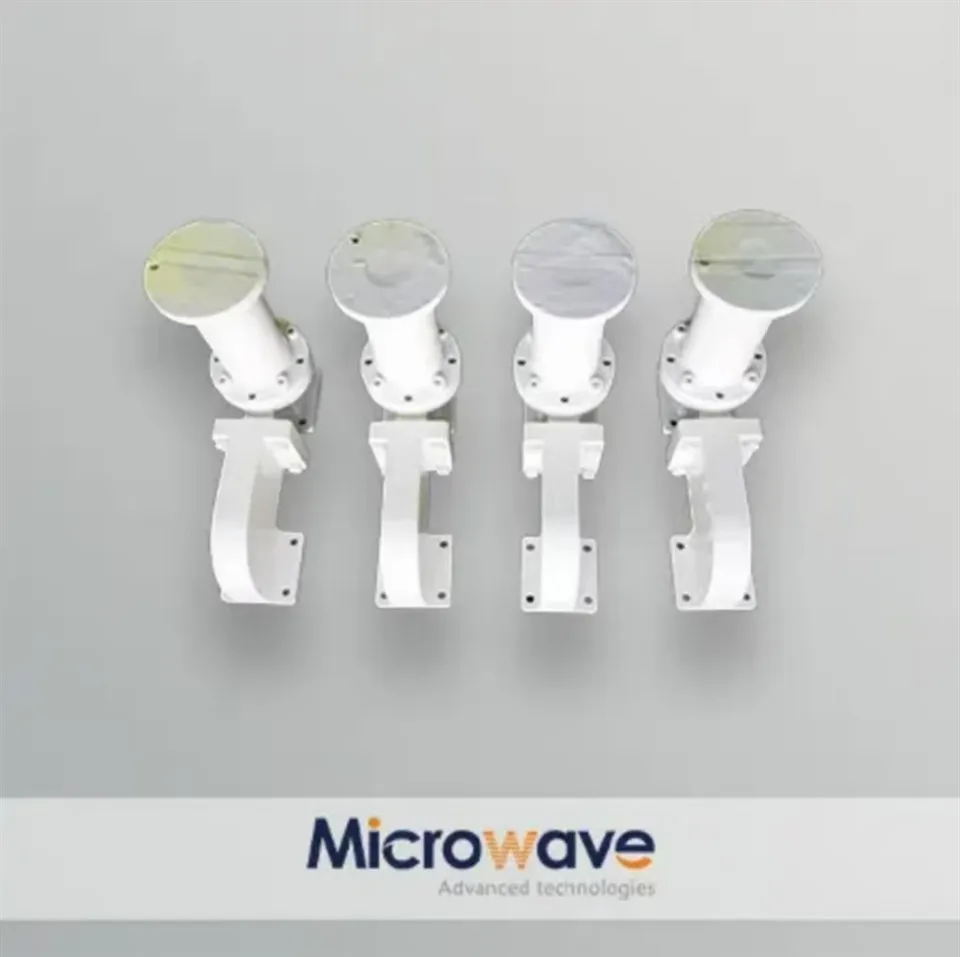
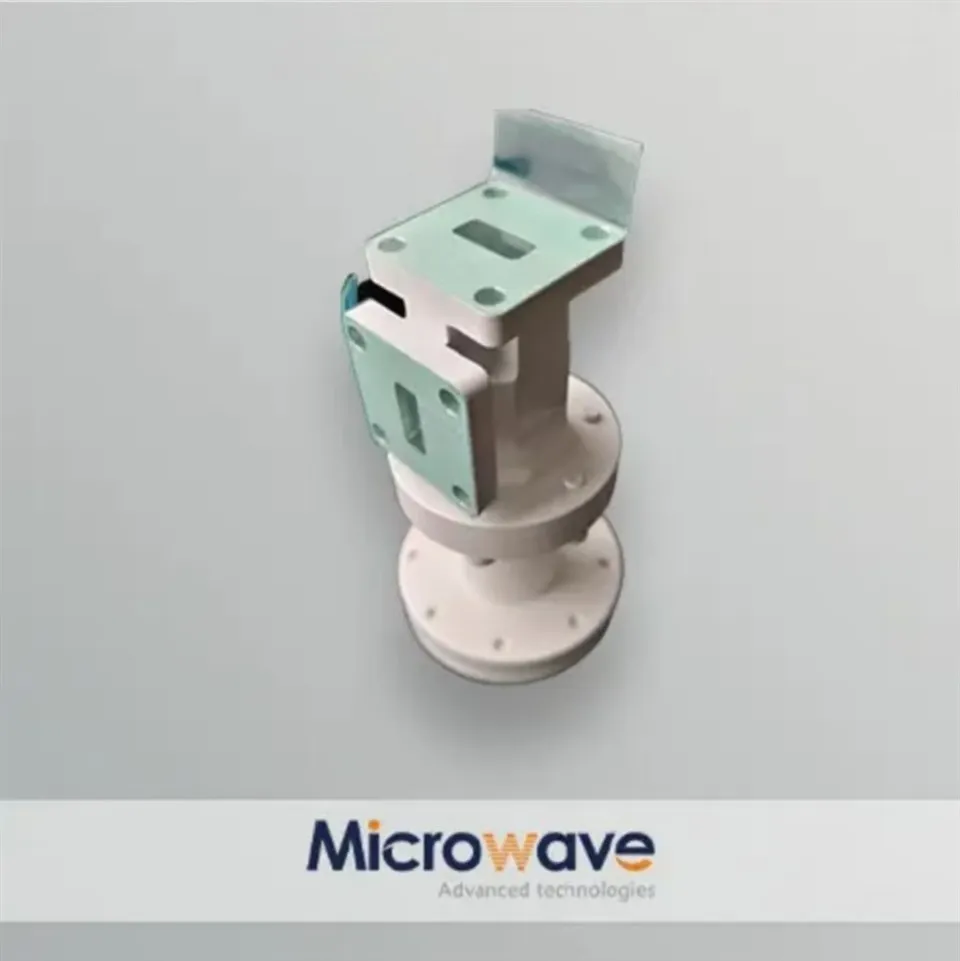
First off, what exactly is a Ka Band OMT? An Ortho - Mode Transducer (OMT) is a crucial component in microwave systems. It separates or combines two orthogonal polarization modes of an electromagnetic wave. The Ka band refers to the frequency range from 26.5 to 40 GHz. This frequency range offers several advantages, such as high data transfer rates and relatively less interference compared to some lower frequency bands.
Now, let's talk about automotive communication. The automotive industry is undergoing a massive transformation. With the rise of self - driving cars, connected vehicles, and advanced driver - assistance systems (ADAS), the need for high - speed, reliable, and secure communication is greater than ever. Cars need to communicate with each other (V2V), with the infrastructure (V2I), and with the cloud. This communication allows for things like real - time traffic updates, collision avoidance, and remote vehicle diagnostics.
So, can Ka Band OMTs fit into this automotive communication puzzle? There are a few factors to consider.
Advantages of Using Ka Band OMTs in Automotive Communication
High Data Transfer Rates
One of the biggest perks of the Ka band is its ability to support high data transfer rates. In an automotive context, this is a game - changer. For example, self - driving cars generate a huge amount of data from sensors like lidar, radar, and cameras. To process this data in real - time and make split - second decisions, a high - speed communication link is essential. Ka Band OMTs can help facilitate this by enabling the efficient transmission of large amounts of data between different components of the vehicle and external systems.
Less Interference
The Ka band is less congested compared to some lower frequency bands that are already heavily used for other applications. This means that there is less interference, which leads to more reliable communication. In automotive communication, reliability is key. A single communication glitch could potentially lead to a dangerous situation on the road. With less interference, Ka Band OMTs can provide a more stable connection for critical safety - related functions.
Compact Size
Modern cars are designed with space in mind. Components need to be as compact as possible without sacrificing performance. Ka Band OMTs can be designed to be relatively small, which makes them suitable for integration into the limited space available in automotive systems. This compactness allows for more flexibility in the design of the vehicle's communication infrastructure.
Challenges of Using Ka Band OMTs in Automotive Communication
Atmospheric Attenuation
One of the main challenges of using the Ka band is atmospheric attenuation. The higher frequencies in the Ka band are more susceptible to absorption and scattering by rain, fog, and other atmospheric conditions. In automotive communication, this could be a problem, especially in regions with heavy rainfall or foggy weather. If the signal is significantly attenuated, it could lead to a loss of communication or reduced data transfer rates.
Range Limitations
Compared to some lower frequency bands, the Ka band has a shorter range. In automotive communication, this might limit the distance over which vehicles can communicate with each other or with the infrastructure. For example, if a car needs to receive traffic information from a distant traffic control center, the limited range of the Ka band could be a drawback.
Cost
Developing and manufacturing Ka Band OMTs can be relatively expensive. This cost factor could potentially increase the overall cost of the vehicle, which might be a deterrent for some automotive manufacturers. However, as technology advances and economies of scale come into play, the cost is likely to come down over time.
Comparison with Other OMT Bands
It's also worth comparing Ka Band OMTs with other types of OMTs, such as Ku Band OMT, OMTs - Quadrature Mode Coupler, and C Band OMT.
The Ku band (12 - 18 GHz) offers a good balance between data transfer rates and atmospheric attenuation. It has a lower risk of signal loss due to weather conditions compared to the Ka band. However, the data transfer rates are not as high as those in the Ka band. The C band (4 - 8 GHz) is even more robust in terms of atmospheric attenuation but has much lower data transfer rates.
The OMTs - Quadrature Mode Coupler is a specialized type of OMT that can be used in various applications. It has its own unique characteristics and advantages, but when it comes to automotive communication, the frequency - specific properties of the Ka band make Ka Band OMTs a strong candidate in some scenarios.
Potential Solutions to the Challenges
Adaptive Antenna Systems
To overcome the issue of atmospheric attenuation, adaptive antenna systems can be used. These systems can adjust the antenna's radiation pattern based on the current atmospheric conditions. For example, if there is heavy rain, the antenna can be adjusted to focus the signal in a more efficient way to reduce the impact of attenuation.
Relay Nodes
To address the range limitations, relay nodes can be deployed. These nodes can receive and re - transmit the signal, effectively extending the communication range. In an automotive context, other vehicles could potentially act as relay nodes, creating a network of connected cars that can communicate over longer distances.
Cost - Reduction Strategies
As a supplier, we are constantly working on cost - reduction strategies. This includes optimizing the manufacturing process, using more cost - effective materials, and collaborating with other companies to share the development costs. By doing so, we hope to make Ka Band OMTs more affordable for the automotive industry.
Conclusion
So, can Ka Band OMTs be used in automotive communication? The answer is a definite maybe. There are clear advantages in terms of high data transfer rates, less interference, and compact size. However, there are also challenges such as atmospheric attenuation, range limitations, and cost. With the right solutions in place, Ka Band OMTs have the potential to play a significant role in the future of automotive communication.
If you're an automotive manufacturer or someone interested in exploring the use of Ka Band OMTs in your projects, I'd love to have a chat. We can discuss how our products can be tailored to your specific needs and how we can work together to overcome the challenges. Contact us to start a conversation about procurement and find out how Ka Band OMTs can revolutionize your automotive communication systems.
References
- "Microwave and RF Design: A Systems Approach" by David M. Pozar
- "Automotive Communication Networks" by Stefanos Kollias and George K. Karagiannidis