

In recent years, the urgency to monitor and protect the environment has reached an all - time high. With the advancement of technology, various systems are being explored for their potential in environmental tracking. As a supplier of Tracking Feed Systems, I am constantly asked whether our systems can be used for environmental tracking. In this blog, I will delve into this question, exploring the capabilities of our Tracking Feed Systems and how they might fit into the realm of environmental monitoring.
Understanding Tracking Feed Systems
Before we discuss their application in environmental tracking, it's essential to understand what Tracking Feed Systems are. At their core, these systems are designed to receive and process signals from various sources. They are highly versatile and can be configured to work with different frequencies and types of data.
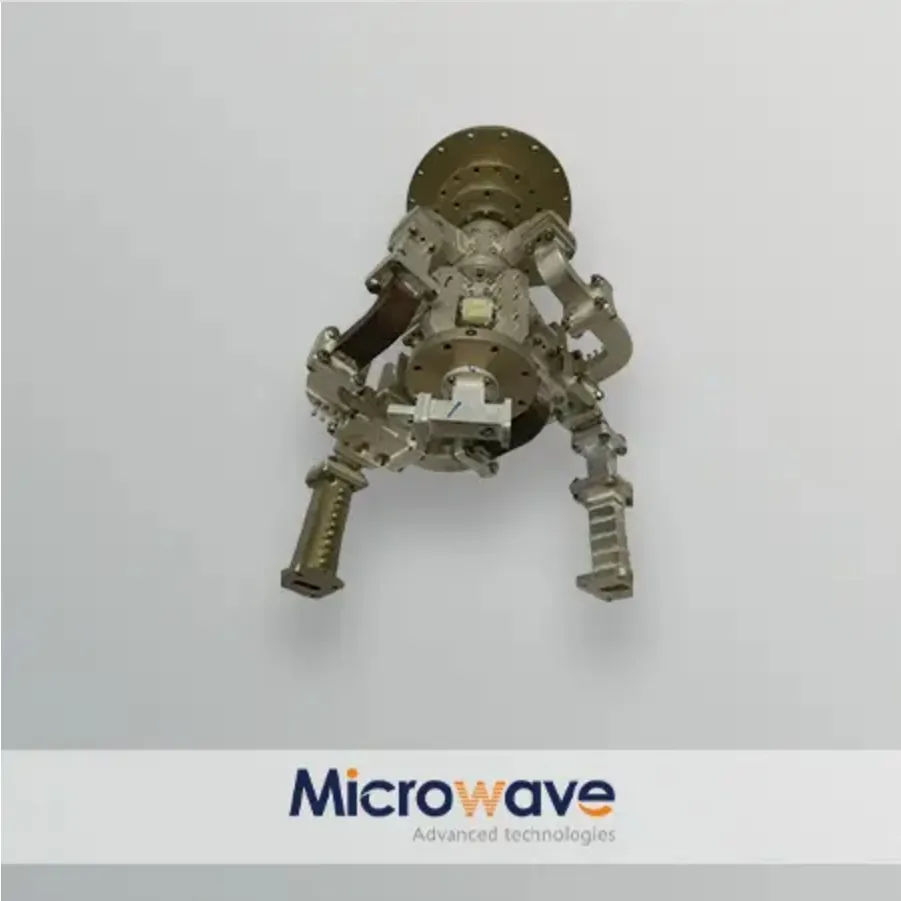
Our company offers a range of Tracking Feed Systems, including the C/KU Multiband Receive Only Feed System, the Ka&Ku Multiband Feed System, and the Receive Only Feed Network. These systems are known for their high - precision signal reception, reliability, and adaptability to different operating conditions.
Environmental Tracking Requirements
Environmental tracking encompasses a wide range of activities, from monitoring air quality and water pollution to tracking the movement of wildlife and the spread of invasive species. To be effective, an environmental tracking system needs to meet several key requirements.
Data Accuracy: The system must be able to collect accurate and reliable data. For example, when measuring air pollutants, even small errors in data collection can lead to significant misinterpretations of the actual environmental conditions.
Real - Time Monitoring: In many cases, real - time data is crucial. For instance, in the event of a sudden oil spill in the ocean, immediate information about the spill's location and spread is necessary for effective response and mitigation.
Long - Term Durability: Environmental tracking often requires long - term data collection. The system must be able to withstand harsh environmental conditions, such as extreme temperatures, high humidity, and exposure to corrosive substances.
How Tracking Feed Systems Can Contribute to Environmental Tracking
Air Quality Monitoring
Air quality is a critical aspect of environmental health. Tracking Feed Systems can be used to receive signals from air quality sensors placed across a region. These sensors can measure various pollutants, such as particulate matter (PM2.5 and PM10), nitrogen oxides (NOx), sulfur dioxide (SO2), and ozone (O3).
The high - precision signal reception capabilities of our Tracking Feed Systems ensure that the data from these sensors is accurately transmitted and received. This allows for real - time monitoring of air quality, enabling timely alerts to the public and policymakers when pollution levels exceed safe limits.

Water Quality Monitoring
Similarly, in water quality monitoring, Tracking Feed Systems can play a vital role. Sensors placed in rivers, lakes, and oceans can measure parameters such as pH, dissolved oxygen, turbidity, and the presence of heavy metals. Our systems can receive the data from these sensors, providing a comprehensive view of water quality over time.
For example, in a large lake, multiple sensors can be deployed at different depths and locations. The Tracking Feed System can collect the data from all these sensors, allowing scientists to monitor the water quality in different parts of the lake and detect any signs of pollution or eutrophication.
Wildlife Tracking
Wildlife tracking is another area where Tracking Feed Systems can be valuable. Many animals are now being fitted with tracking devices that emit signals. These signals can be received by our Tracking Feed Systems, allowing researchers to monitor the movement, migration patterns, and behavior of wildlife.
For instance, in the case of endangered bird species, researchers can attach small tracking devices to the birds. The Tracking Feed System can then receive the signals from these devices, providing valuable information about the birds' flight paths, breeding grounds, and feeding areas. This information can be used to develop conservation strategies to protect these species.
Challenges and Limitations
While Tracking Feed Systems offer significant potential for environmental tracking, there are also some challenges and limitations that need to be addressed.
Cost: Implementing a comprehensive environmental tracking system can be expensive. The cost of installing and maintaining Tracking Feed Systems, along with the associated sensors, can be a barrier for many organizations, especially in developing countries.
Data Management: The large amount of data collected by environmental tracking systems needs to be managed effectively. This requires advanced data storage, processing, and analysis capabilities. Ensuring data security and privacy is also a concern, especially when dealing with sensitive environmental information.
Interference: In some cases, there may be interference with the signals received by the Tracking Feed Systems. This can be caused by natural factors, such as weather conditions, or man - made sources, such as electromagnetic interference from nearby electronic devices.
Overcoming the Challenges
To overcome the cost challenge, we are working on developing more cost - effective Tracking Feed Systems. We are also exploring partnerships with governments, non - profit organizations, and research institutions to share the cost of environmental tracking projects.
In terms of data management, we are investing in advanced data management software and algorithms. These tools can help in efficiently storing, processing, and analyzing the large volumes of environmental data. We are also implementing strict data security protocols to protect the privacy and integrity of the data.
To deal with interference, our engineers are constantly working on improving the signal - processing capabilities of our Tracking Feed Systems. We are using advanced filtering techniques and antenna designs to minimize the impact of interference on signal reception.
Conclusion
In conclusion, Tracking Feed Systems have significant potential for use in environmental tracking. Their high - precision signal reception, real - time monitoring capabilities, and adaptability make them suitable for a wide range of environmental applications, including air quality monitoring, water quality monitoring, and wildlife tracking.
However, there are also challenges and limitations that need to be addressed. By working together with various stakeholders and continuously innovating, we can overcome these challenges and make Tracking Feed Systems an integral part of environmental monitoring efforts.
If you are interested in using our Tracking Feed Systems for environmental tracking or have any questions about our products, we encourage you to reach out to us for a procurement discussion. We are committed to providing high - quality solutions that meet your specific environmental tracking needs.
References
- "Environmental Monitoring: Principles and Practices" by John A. Hering and Gordon E. Likens.
- "Wildlife Tracking Technology: GPS and Argos Systems" by David R. Anderson and others.
- "Water Quality Monitoring: A Practical Guide to the Design and Implementation of Freshwater Quality Studies and Monitoring Programmes" by Helen B. Oldham and others.