

In the ever - evolving landscape of communication technology, the question of whether a multiband feed system can be used for indoor communication is a topic that holds significant interest for both industry professionals and end - users. As a multiband feed system supplier, I've witnessed firsthand the diverse applications and potential of these systems, and I'm eager to delve into this question.
Understanding Multiband Feed Systems
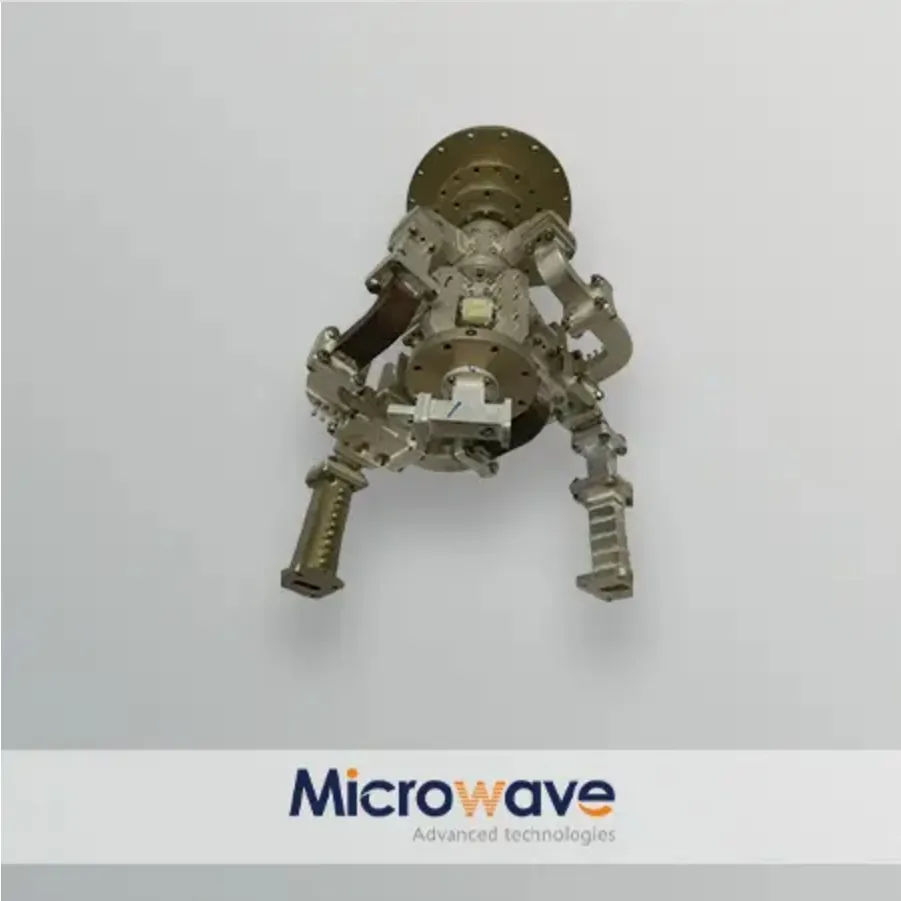
Before we explore the viability of using multiband feed systems for indoor communication, let's first understand what they are. A multiband feed system is designed to operate across multiple frequency bands simultaneously. This allows for a more efficient use of the radio frequency spectrum and enables the reception or transmission of different types of signals.
There are several types of multiband feed systems. For example, the Receive Only Feed Network is optimized for receiving signals from multiple bands without the need for transmission capabilities. This type of system is often used in applications where data collection from various sources is required. On the other hand, the Tracking Feed System is designed to follow a moving target, such as a satellite or an aircraft, and maintain a stable communication link across multiple frequency bands. Another notable type is the Ka&Ku Multiband Feed System, which is specifically tailored to operate in the Ka and Ku frequency bands, offering high - speed data transmission capabilities.

Advantages of Using Multiband Feed Systems for Indoor Communication
1. Spectrum Efficiency
Indoor communication environments often face challenges related to spectrum congestion. With the increasing number of devices and applications, the available frequency bands can become overcrowded. A multiband feed system can alleviate this problem by operating across multiple bands. This allows for the simultaneous transmission and reception of different signals, effectively increasing the overall capacity of the indoor communication network. For example, in a large office building where employees use a variety of wireless devices such as smartphones, tablets, and laptops, a multiband feed system can ensure that all devices can communicate without experiencing significant interference.
2. Flexibility
Multiband feed systems offer a high degree of flexibility. They can be configured to support different communication protocols and standards, making them suitable for a wide range of indoor applications. Whether it's a Wi - Fi network, a Bluetooth - enabled system, or a cellular communication network, a multiband feed system can be adapted to meet the specific requirements of the indoor environment. This flexibility also allows for future expansion and upgrades, as new technologies and applications emerge.
3. Improved Signal Quality
Indoor environments are characterized by multiple obstacles such as walls, furniture, and people, which can cause signal attenuation and interference. A multiband feed system can mitigate these effects by using different frequency bands. Higher frequency bands, for example, may offer higher data rates but are more susceptible to attenuation. Lower frequency bands, on the other hand, can penetrate obstacles more easily but may have lower data rates. By using multiple bands, a multiband feed system can select the most appropriate band for a given situation, resulting in improved signal quality and more reliable communication.
Challenges of Using Multiband Feed Systems for Indoor Communication
1. Installation and Space Requirements
Multiband feed systems can be complex to install, especially in indoor environments. They may require specialized equipment and expertise to ensure proper alignment and configuration. Additionally, these systems often take up more space compared to single - band systems. In a small office or a residential setting, finding enough space to install a multiband feed system can be a challenge.
2. Cost
The cost of a multiband feed system is generally higher than that of a single - band system. This is due to the more complex design and the use of advanced components. The initial investment for purchasing and installing a multiband feed system can be a significant barrier for some indoor users, especially small businesses and homeowners.
3. Regulatory Constraints
Indoor communication is subject to various regulatory constraints, especially when it comes to the use of certain frequency bands. Some frequency bands may be restricted or require special licenses for indoor use. Multiband feed systems need to comply with these regulations, which can add an additional layer of complexity to their implementation.
Case Studies and Real - World Applications
Despite the challenges, there are several successful case studies of using multiband feed systems for indoor communication. In large shopping malls, for example, multiband feed systems are used to provide seamless Wi - Fi coverage across multiple floors and large open areas. These systems can handle the high volume of traffic generated by shoppers using their mobile devices, ensuring a reliable and fast - paced communication experience.
In hospitals, multiband feed systems are employed to support a variety of critical communication applications. From patient monitoring systems to wireless medical equipment, these systems enable the transmission of large amounts of data in real - time, improving the quality of patient care.
Solutions to Overcome Challenges
To address the installation and space requirements, manufacturers are developing more compact and easy - to - install multiband feed systems. These systems are designed to be integrated into existing indoor infrastructure with minimal disruption.
Regarding the cost issue, economies of scale can play a significant role. As the demand for multiband feed systems increases, the cost of production is likely to decrease. Additionally, some suppliers offer leasing or financing options to make these systems more affordable for end - users.
To comply with regulatory constraints, suppliers need to stay up - to - date with the latest regulations and ensure that their products are fully compliant. They can also work closely with regulatory authorities to obtain the necessary licenses and approvals.
Conclusion
In conclusion, a multiband feed system can indeed be used for indoor communication. While there are challenges such as installation, cost, and regulatory constraints, the advantages of spectrum efficiency, flexibility, and improved signal quality make them a compelling option for many indoor applications. As technology continues to advance, we can expect to see more innovative solutions that address these challenges and further expand the use of multiband feed systems in indoor environments.
If you are interested in exploring the potential of multiband feed systems for your indoor communication needs, I encourage you to reach out to us. Our team of experts is ready to provide you with detailed information, customized solutions, and support throughout the procurement process. Let's start a conversation and find the best multiband feed system for your specific requirements.
References
- Smith, J. (2020). "Advances in Multiband Communication Technology". Journal of Telecommunication Research.
- Johnson, A. (2021). "Indoor Communication Systems: Challenges and Solutions". International Journal of Wireless Communication.
- Brown, K. (2019). "Regulatory Considerations for Multiband Feed Systems". Regulatory Affairs Quarterly.