

Hey there! As a supplier of Ku Band 100w Isolators, I often get asked if these isolators can be used in radar systems. Well, let's dive right into it and find out.
First off, let's talk a bit about what a Ku Band 100w Isolator actually is. An isolator is a two - port device that allows RF (radio frequency) signals to pass in one direction while blocking them in the reverse direction. In simple terms, it's like a one - way street for radio waves. The "Ku Band" refers to a specific range of frequencies in the microwave spectrum, typically from 12 to 18 GHz. And the "100w" indicates its power handling capacity, meaning it can handle up to 100 watts of power. You can check out more details about our Ku Band 100w Isolator on our website.
Now, when it comes to radar systems, they have some pretty specific requirements. Radar systems work by emitting radio waves and then detecting the reflections off objects. These systems need components that can handle high - power signals, have low insertion loss (which means the signal doesn't lose much strength as it passes through the component), and can provide good isolation to prevent unwanted signal reflections that could interfere with the radar's operation.
One of the key advantages of using a Ku Band 100w Isolator in a radar system is its power handling capability. Radar systems often need to transmit high - power signals to detect objects at long distances. Our isolator can handle up to 100 watts of power, which makes it suitable for many medium - to high - power radar applications.
Another important factor is isolation. In a radar system, any reflected signal that makes its way back to the transmitter can cause problems. It can damage the transmitter or create false echoes that mess up the radar's data. A good isolator, like our Ku Band 100w Isolator, provides high isolation. This means it can effectively block the reflected signals from going back to the transmitter, ensuring the system operates smoothly.
Insertion loss is also crucial. Low insertion loss ensures that the radar signal maintains its strength as it passes through the isolator. Our isolator is designed with low insertion loss in mind, so the radar signal can travel efficiently from the transmitter to the antenna and then back to the receiver.
However, it's not all sunshine and rainbows. There are some considerations when using a Ku Band 100w Isolator in a radar system. For instance, the frequency range of the isolator needs to match the operating frequency of the radar. If the radar operates outside the Ku Band, our isolator may not be the best fit.
Also, the physical size and mounting options of the isolator matter. Radar systems come in all shapes and sizes, and you need an isolator that can be easily integrated into the existing setup. Our product is designed with a compact and easy - to - install form factor, but you still need to double - check if it will work for your specific radar system.
Let's compare our Ku Band 100w Isolator with some related products, like the KU Band Waveguide Isolator. While both are designed for the Ku Band, the waveguide isolator has its own set of pros and cons. Waveguide isolators are often used in applications where you need to transmit signals through a waveguide, which is a hollow metal tube. They can provide high - power handling and good isolation, but they may be larger and more expensive compared to our Ku Band 100w Isolator.
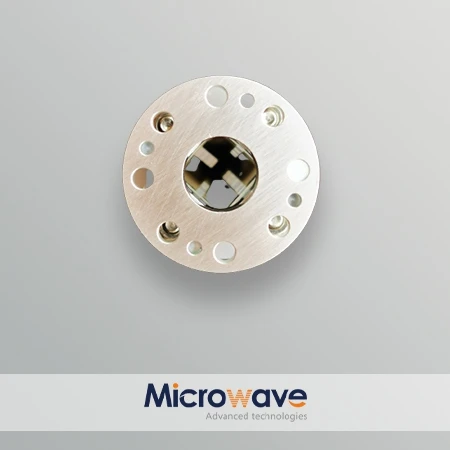
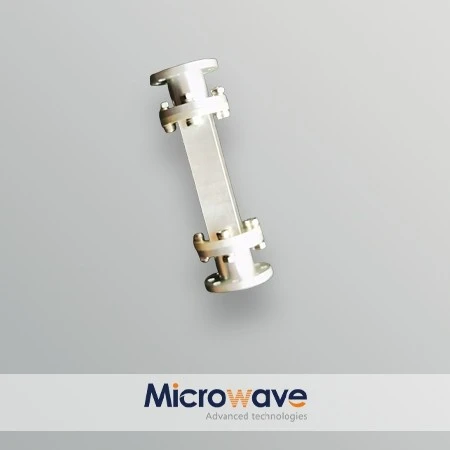
On the other hand, if you're looking at a different frequency band, like the Ka Band, you might consider a Ka Band Circulator. A circulator is a multi - port device that can route signals in a specific order. If your radar system operates in the Ka Band (26.5 - 40 GHz), a Ka Band circulator could be a better choice. But again, it all depends on your specific requirements.
So, can a Ku Band 100w Isolator be used in radar systems? The answer is yes, in many cases. It offers high - power handling, good isolation, and low insertion loss, which are all important factors for radar operation. But you need to carefully consider the frequency range, physical size, and other system - specific requirements.
If you're in the process of building or upgrading a radar system and think our Ku Band 100w Isolator might be a good fit, we'd love to chat with you. We can provide more detailed information, answer any questions you have, and help you make the right decision for your project. Just reach out to us, and let's start a conversation about how our isolator can meet your radar system needs.
References:
- Various technical documents on radar system design and RF component requirements.
- Product specifications of our Ku Band 100w Isolator, KU Band Waveguide Isolator, and Ka Band Circulator.