

In recent years, wireless power transfer (WPT) systems have emerged as a revolutionary technology with the potential to transform how we power our devices. From charging smartphones to powering electric vehicles, the concept of transmitting electrical energy without the need for physical connections is both exciting and practical. As a leading supplier of Ka Band Circulators, I've often been asked whether these components can be used in wireless power transfer systems. In this blog post, I'll explore this question in detail, examining the characteristics of Ka Band Circulators, the requirements of WPT systems, and the potential benefits and challenges of integrating these two technologies.
Understanding Ka Band Circulators
Before delving into their potential use in WPT systems, it's important to understand what Ka Band Circulators are and how they work. A circulator is a non - reciprocal three - or four - port device that allows RF signals to flow in a specific direction. In a three - port circulator, for example, a signal entering port 1 exits through port 2, a signal entering port 2 exits through port 3, and a signal entering port 3 exits through port 1.
Ka Band refers to the frequency range of 26.5 to 40 GHz. Ka Band Circulators are designed to operate within this high - frequency range. They are typically made using ferrite materials, which exhibit non - reciprocal behavior in the presence of a magnetic field. This non - reciprocity is what enables the directional flow of RF signals through the circulator.
The Ka Band Circulator offers several advantages, including high isolation between ports, low insertion loss, and excellent power handling capabilities. These features make them suitable for a variety of applications, such as radar systems, satellite communications, and microwave test equipment.
Requirements of Wireless Power Transfer Systems
Wireless power transfer systems can be classified into different types, including inductive coupling, magnetic resonance coupling, and electromagnetic radiation. Each type has its own set of requirements, but some common factors are crucial for all WPT systems:

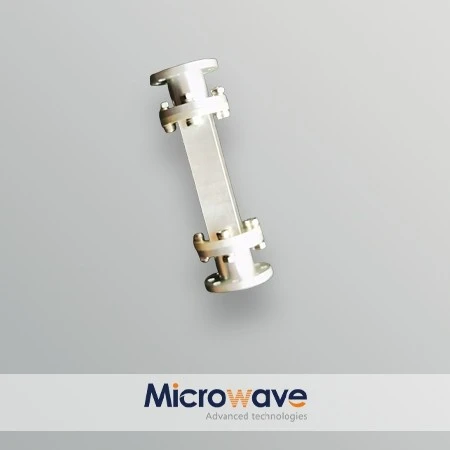
- Efficiency: One of the primary goals of any WPT system is to transfer power from the source to the load with high efficiency. Losses in the system can occur due to various factors, such as resistance in the coils, misalignment between the transmitter and receiver, and radiation losses.
- Power Transfer Distance: Depending on the application, WPT systems may need to transfer power over short distances (e.g., a few millimeters for charging a smartphone) or long distances (e.g., several meters for charging an electric vehicle).
- Frequency Selection: The operating frequency of a WPT system affects its efficiency, power transfer distance, and safety. Higher frequencies generally allow for smaller component sizes but may also result in higher radiation losses.
Potential Benefits of Using Ka Band Circulators in WPT Systems
- High - Frequency Operation: The Ka Band frequency range offers several advantages for WPT systems. At higher frequencies, the wavelength is shorter, which allows for smaller antenna and component sizes. This can be particularly beneficial for applications where space is limited, such as in portable devices.
- Directional Power Transfer: The directional nature of a circulator can be used to control the flow of power in a WPT system. By using a circulator, the power can be directed towards the receiver, reducing the amount of power radiated in unwanted directions and improving the overall efficiency of the system.
- Isolation: The high isolation provided by a Ka Band Circulator can help protect the transmitter from reflected power. In a WPT system, reflected power can occur due to impedance mismatches between the transmitter and receiver. A circulator can redirect the reflected power away from the transmitter, preventing damage to the power source and improving the system's stability.
Challenges of Using Ka Band Circulators in WPT Systems
- High Radiation Losses: As mentioned earlier, higher frequencies are associated with higher radiation losses. In the Ka Band, these losses can be significant, which may reduce the overall efficiency of the WPT system.
- Atmospheric Absorption: The Ka Band is also subject to atmospheric absorption, especially in the presence of rain or moisture. This can limit the power transfer distance and reliability of the WPT system, particularly in outdoor applications.
- Cost and Complexity: Ka Band Circulators are generally more expensive and complex to manufacture compared to lower - frequency circulators. The use of ferrite materials and the need for precise magnetic field control add to the cost and complexity of the device.
Comparison with Other Components
In addition to Ka Band Circulators, other components such as isolators and waveguides are also commonly used in RF and WPT systems. For example, the Ku Band 100w Isolator operates in the Ku Band (12 to 18 GHz) and provides similar isolation functionality as a circulator but with only two ports. Isolators are often used to protect the power source from reflected power.
WR42 Waveguide Isolators are another type of component that can be used in high - frequency systems. Waveguide isolators are designed to work with waveguides, which are structures that guide electromagnetic waves. They offer high isolation and low insertion loss but are generally larger in size compared to circulators.
Conclusion
While Ka Band Circulators offer several potential benefits for wireless power transfer systems, such as high - frequency operation and directional power transfer, they also face significant challenges, including high radiation losses and atmospheric absorption. Whether a Ka Band Circulator can be used in a WPT system depends on the specific requirements of the application, such as the power transfer distance, efficiency goals, and operating environment.
In some applications where high - frequency operation and directional power control are crucial, Ka Band Circulators may be a viable option. However, for other applications, lower - frequency components or alternative WPT technologies may be more suitable.
If you are interested in exploring the use of Ka Band Circulators in your wireless power transfer system, I encourage you to contact me for further discussion. We can work together to evaluate the feasibility of using Ka Band Circulators in your specific application and provide you with the best solutions to meet your needs.
References
- "Wireless Power Transfer: Principles and Engineering Explorations" by Chi K. Tse and Shuhui Li.
- "Microwave Engineering" by David M. Pozar.
- Technical datasheets of Ka Band Circulators, Ku Band 100w Isolators, and WR42 Waveguide Isolators.