

In the dynamic landscape of satellite communication, the Receive Only Feed Network (ROFN) has emerged as a pivotal technology, offering a streamlined approach to receiving satellite signals. As a leading provider of ROFN solutions, I've witnessed firsthand the transformative impact of this technology on various industries. However, implementing a Receive Only Feed Network is not without its costs. In this blog post, I'll delve into the intricacies of these costs, exploring the factors that influence them and how businesses can make informed decisions when investing in this technology.
Understanding the Receive Only Feed Network
Before we dive into the costs, it's essential to understand what a Receive Only Feed Network is. A ROFN is a specialized system designed to receive satellite signals without the need for transmission capabilities. This makes it an ideal solution for applications such as broadcast television, data reception, and remote sensing. By focusing solely on reception, ROFNs can offer a more cost - effective and efficient alternative to full - duplex communication systems.
The core components of a ROFN typically include antennas, low - noise block downconverters (LNBs), and feed networks. These components work in tandem to capture and process satellite signals, ensuring high - quality reception. For instance, the Ka&Ku Multiband Feed System is a popular choice for ROFNs, offering support for multiple frequency bands and enhanced signal reception capabilities.
Direct Costs of Implementing a Receive Only Feed Network
Equipment Costs
One of the most significant direct costs associated with implementing a ROFN is the equipment. High - quality antennas are essential for capturing satellite signals effectively. The cost of antennas can vary widely depending on factors such as size, frequency range, and gain. Larger antennas generally offer better performance but come with a higher price tag.

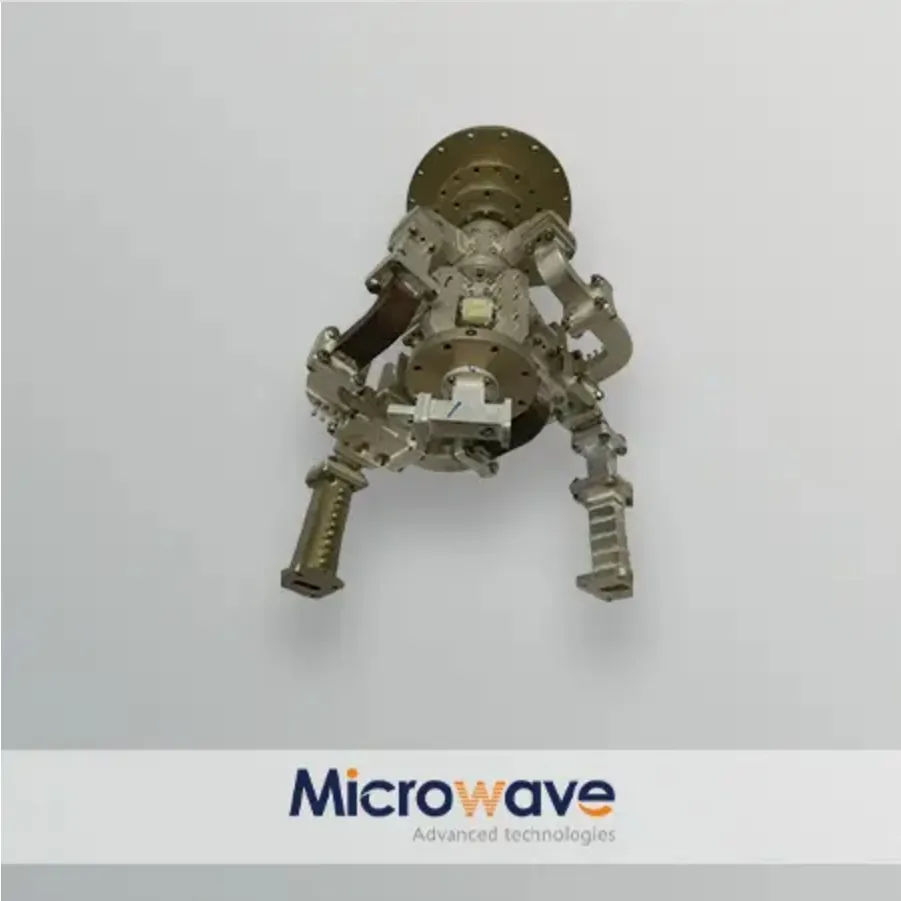
Low - noise block downconverters (LNBs) are another critical component. These devices amplify the weak satellite signals and convert them to a lower frequency for further processing. The cost of LNBs depends on their frequency range, noise figure, and gain. A high - performance LNB with a low noise figure will typically be more expensive.
The feed network itself, which distributes the signals from the antennas to the receiving equipment, also contributes to the overall equipment cost. For example, the Receive Only Feed Network provided by our company is engineered to ensure efficient signal distribution, but its price reflects the advanced technology and quality components used.
Installation Costs
Installing a ROFN requires specialized skills and equipment. Professional installation is crucial to ensure that the system is set up correctly and operates at peak performance. Installation costs can include labor, transportation of equipment, and any necessary permits. In some cases, the installation may need to be carried out in challenging environments, such as on rooftops or in remote locations, which can further increase the cost.
Maintenance Costs
Once the ROFN is installed, ongoing maintenance is necessary to keep the system running smoothly. This includes regular inspections, cleaning of antennas, and replacement of worn - out components. Maintenance costs can vary depending on the complexity of the system and the frequency of maintenance required. For example, a ROFN used in a harsh environmental condition may require more frequent maintenance than one in a controlled indoor environment.
Indirect Costs of Implementing a Receive Only Feed Network
Training Costs
Employees or operators who will be using the ROFN need to be trained on how to operate and maintain the system. Training costs can include the cost of training materials, instructor fees, and the time spent by employees in training. Ensuring that the operators are well - trained is essential to maximize the efficiency and reliability of the ROFN.
Operational Costs
Operational costs are an often - overlooked aspect of implementing a ROFN. These costs include electricity consumption for powering the equipment, cooling systems to prevent overheating, and any software licenses required for the operation of the system. For large - scale ROFNs, these operational costs can add up significantly over time.
Regulatory Costs
Complying with regulatory requirements is another indirect cost. Different regions may have specific regulations regarding satellite communication systems, including licensing fees, environmental impact assessments, and compliance with electromagnetic interference standards. Failure to comply with these regulations can result in fines and legal issues, making it essential to factor in these costs when implementing a ROFN.
Factors Influencing the Cost of Implementing a Receive Only Feed Network
System Complexity
The complexity of the ROFN is a major factor in determining its cost. A simple ROFN with a single antenna and a basic feed network will be less expensive than a complex system with multiple antennas, advanced signal processing capabilities, and support for multiple frequency bands. For example, a C/KU Multiband Feed System, which supports both C - band and Ku - band frequencies, is more complex and thus more costly than a single - band system.
Scale of the Deployment
The scale of the ROFN deployment also affects the cost. A small - scale deployment for a single site will generally be less expensive than a large - scale deployment across multiple sites. Large - scale deployments may require additional equipment, more extensive installation work, and higher maintenance costs.
Location
The location where the ROFN is installed can have a significant impact on the cost. Installing a ROFN in a remote or hard - to - reach location may require additional transportation and installation costs. Additionally, the local climate and environmental conditions can affect the choice of equipment and the frequency of maintenance, which in turn affects the overall cost.
Making Informed Decisions
When considering the implementation of a Receive Only Feed Network, it's important for businesses to conduct a thorough cost - benefit analysis. While the upfront costs of implementing a ROFN can be significant, the long - term benefits, such as reliable satellite signal reception, improved data access, and potential cost savings compared to alternative communication methods, can outweigh the initial investment.
Businesses should also consider working with a reputable ROFN provider. A reliable provider can offer high - quality equipment, professional installation services, and ongoing support, which can help reduce the overall cost of implementation and ensure the long - term success of the system.
Conclusion
Implementing a Receive Only Feed Network involves a range of direct and indirect costs, including equipment, installation, maintenance, training, operational, and regulatory costs. The cost is influenced by factors such as system complexity, scale of deployment, and location. However, with careful planning and a comprehensive cost - benefit analysis, businesses can make informed decisions about investing in this technology.
If you're considering implementing a Receive Only Feed Network for your business, I encourage you to reach out to us for a detailed consultation. Our team of experts can help you understand the specific costs associated with your project and provide customized solutions to meet your needs. Let's work together to ensure that you get the most out of your ROFN investment.
References
- Satellite Communication Handbook, John Wiley & Sons
- Principles of Satellite Communication Systems, Artech House